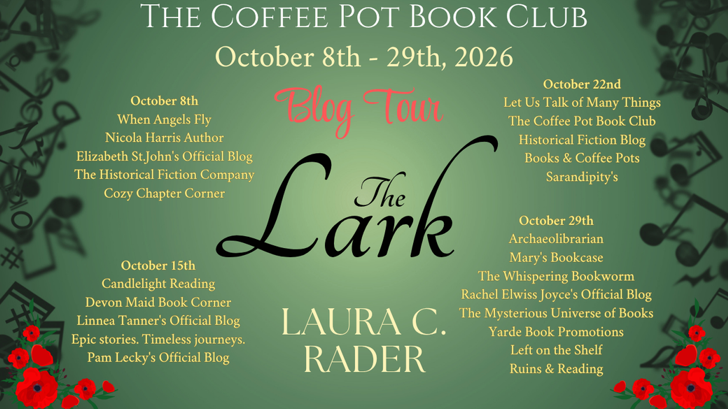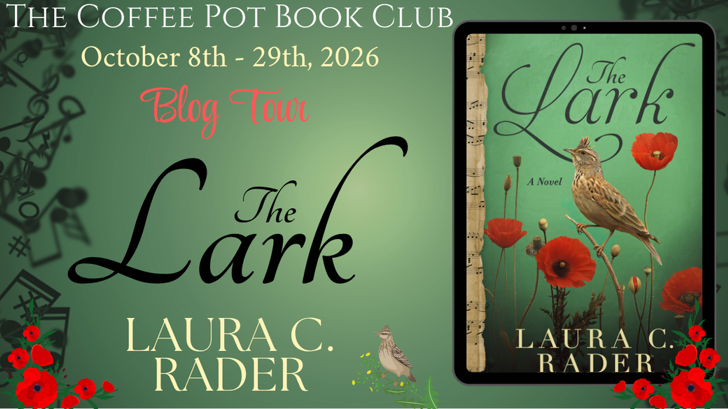
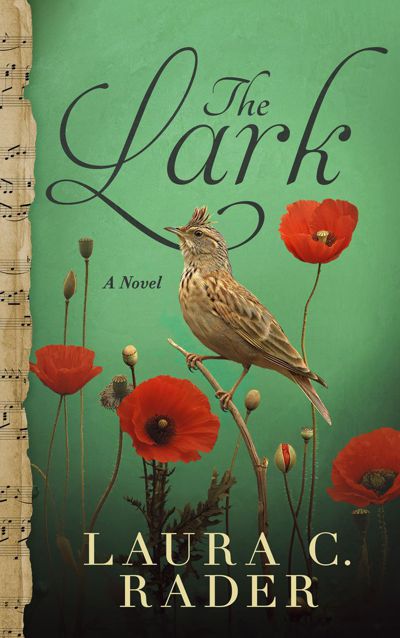
When The Wizard of Oz graced the silver screen in 1939, it changed cinema and popular culture forever. But the true story began decades earlier with the young composer who risked everything to bring it to the Broadway stage.
At the turn of the century, twenty-three-year-old Paul Tietjens is a gifted classical pianist with dreams of greatness and a non-refundable ticket to Europe to study with the master composers of his time.
But when the bank calls in the debt on his family’s Missouri farm, Paul forgoes his dream to save them from financial ruin. Desperate to find a new road to success, he moves to up-and-coming Chicago, where he persuades author L. Frank Baum to collaborate on a comic opera of The Wonderful Wizard of Oz, setting the stage for the defining cultural touchstone that we know today.
Paul embarks on his opera with high hopes, but scandal threatens his soaring ambition when he falls in love with his best friend’s beautiful but married sister, and his fears grow as the Wizard of Oz demands not only his talent but his soul.
Inspired by Paul’s 1901 diary, The Lark follows Paul as he journeys from the theaters of Chicago to the streets of Manhattan, from his family’s Missouri farm to the beaches of Michigan, fighting to hang onto the chance of a lifetime, his integrity, and the woman he loves.
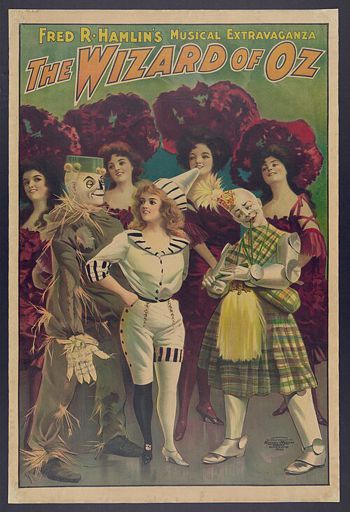
Chicago theatre of the era
The best way to begin this post about Chicago theater at the end of the Victorian era and the dawn of the 20th century is with this advance praise for The Lark from a dear friend, Courtney Corey, MFA, an original cast member of the Chicago and Los Angeles Companies of Wicked.
“In The Lark, author Laura Rader transports readers to the dawn of the twentieth century, when American musical theater was beginning to emerge from European classical music and theatrical traditions. Many of the pioneering composers who shaped the genre, like the novel’s protagonist Paul Tietjens, were children of European immigrants chasing the American dream.”
American musical theater has its roots in European opera, and my character and real-life composer Paul Tietjens regularly attended symphonies in St. Louis, and when he moved to Chicago, also operas and operettas, as did many middle-class and even working-class people of the time. I learned much about Chicago theater from his diary, for he was a serious student of music in all its forms.
In America, unlike Europe, opera was not reserved for the wealthy and upper classes. It was popular entertainment, priced reasonably, and a couple of companies even performed Italian and German operas in English, such as the Grau-Savage English Opera (Metropolitan English Grand Opera) company featured in The Lark.
But because opera was accessible to the working class, it needed to appeal to the working class sensibility, and so a lighter, leaner, opera was born. The operettas of Gilbert and Sullivan, for example, mentioned in The Lark, are the epitome of the British operetta: written in English, with catchy melodies, memorable lyrics, and crude humor.
American operettas, understandably, built on the English operetta premise and incorporated the musical traditions of the United States: vaudeville, ragtime, and melodrama.
Vaudeville grew out of the saloon shows of the Wild West and traveling circuses, presenting a variety of short acts on stage. Ragtime evolved from the African tradition of syncopated rhythms and dance mixed with Scottish and Irish dances. Melodrama originated in 18th century France and England, adding music to stage dialogue and creating one-dimensional villains, heroes, and heroines, and swiftly became popular in dance halls and saloons in the United States.
American operettas branched again, into various forms including comic opera, which added a sort of cleaned up version of Victorian burlesque to operetta.
At this point, theater would start in Manhattan, and then tour the other major US cities: Philadelphia, Boston, Washington, DC, and Chicago. And has those cities grew and developed their own culture of theater and music, theater often premiered there before taking on the more competitive stages of New York.
This was especially true in Chicago, and one reason Paul Tiejens, a student of music, chose to move there. Chicago is a prime example of “if you build it, people will come,” to paraphrase the famous line from the movie, Field of Dreams. A couple of theater managers, Peck and Adler, converted the city’s Exposition Building into an Auditorium, and began producing operas therein, beginning with Romeo and Juliet in 1889. Soon, renowned conductor Theodore Thomas was conducting the Chicago Orchestra there, so frequently it became known as The Theodore Thomas Orchestra, and so popular that Paul Tietjens mentions attending those concerts in his diary, and therefore, attends them in The Lark.
At the turn of the century, at nearly the exact moment that Paul Tietjens moved to Chicago, The Savage Company was performing Lohengrin and The Flying Dutchman at Chicago’s Studebaker and Grau-Savage’s English Opera Company premiered at The Auditorium. It is that opera company that performs Cavalleria Rusticana and I Pagliacci in The Lark, attended by Paul and his friend’s sister Kate. Whether or not that is where their romance bloomed — if, in fact, there was a romance— is what separates historical fiction from non-fiction history, and it is those intimate relationships and human emotions that inspire me to write it.
Universal Buy Link: https://books2read.com/u/m0RDZV
Meet Laura C.Rader
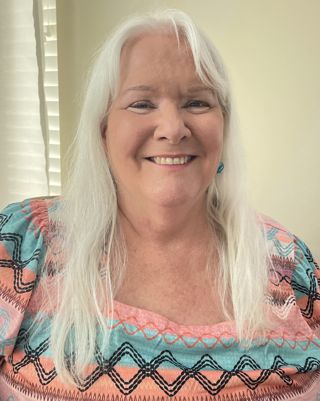
Laura C. Rader is the award-winning author of the biographical historical novel Hatfield 1677. When she isn’t writing, you can find her conducting research, playing her 1905 antique piano, and spending time with her family, friends, and pets. A native of Southern California, she now lives north of Raleigh, North Carolina
Connect with Laura
Website: https://www.lcrwriter.com
Twitter / X: https://x.com/LauraCR_Author
Facebook: https://www.facebook.com/LCRWriter
Instagram: https://www.instagram.com/lcrwriter/
Threads: https://www.threads.com/@lcrwriter
Bluesky: https://bsky.app/profile/laurawriter2b.bsky.social
Pinterest: https://www.pinterest.com/laurarader8/
Book Bub: https://www.bookbub.com/profile/laura-c-rader
TikTok: https://www.tiktok.com/@laura.rader0
Amazon Author Page: https://www.amazon.com/stores/Laura-C-Rader/author/B0CZF3SQT9?
Goodreads: https://www.goodreads.com/author/show/47076598.Laura_C_Rader